

How to talk to your team about cybersecurity without boring them
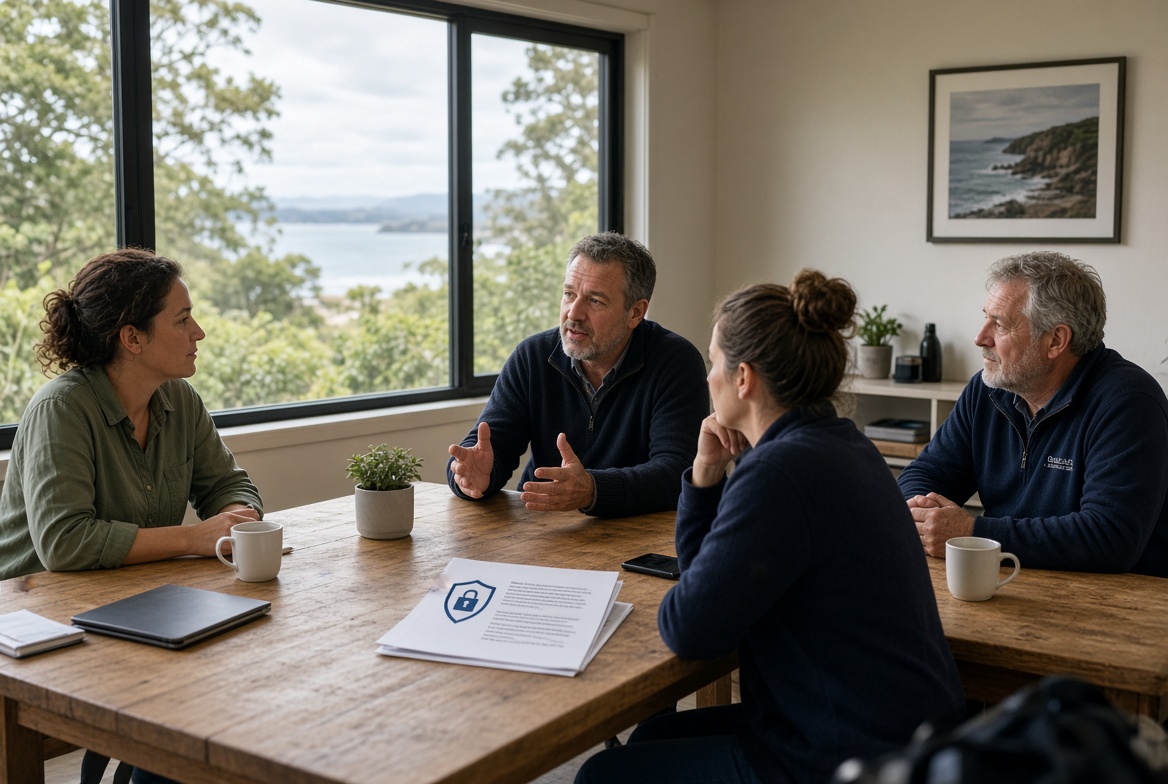
Staff often switch off the moment security comes up. Long emails full of warnings or dry slideshows rarely stick. Yet every person who uses a computer or phone at work plays a part in keeping the organisation safe. For business owners and managers in regional New South Wales coastal communities, the challenge is clear: share the message in a way people actually hear and remember.
Shifts in workplace expectations
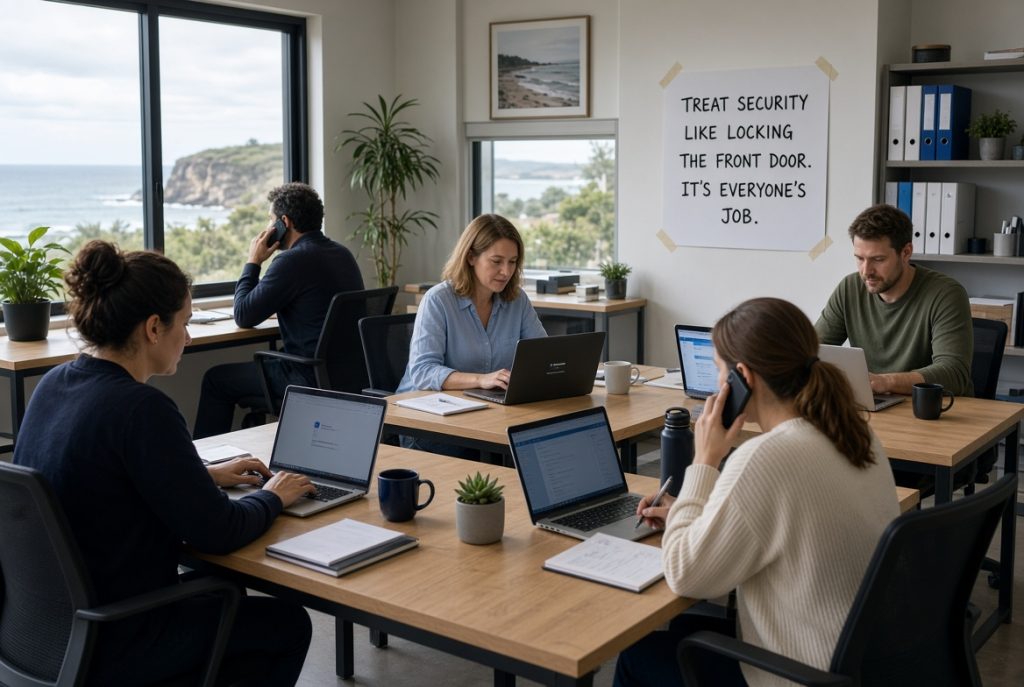
Technology now sits at the centre of almost every task. Staff log in from different places, share files online and open messages that look genuine. Attackers rely on human habits more than complex code. Quiet awareness has become a basic work skill, much like locking the front door at the end of the day. Teams that understand this adapt faster than those left guessing.
The real cost of silence on security
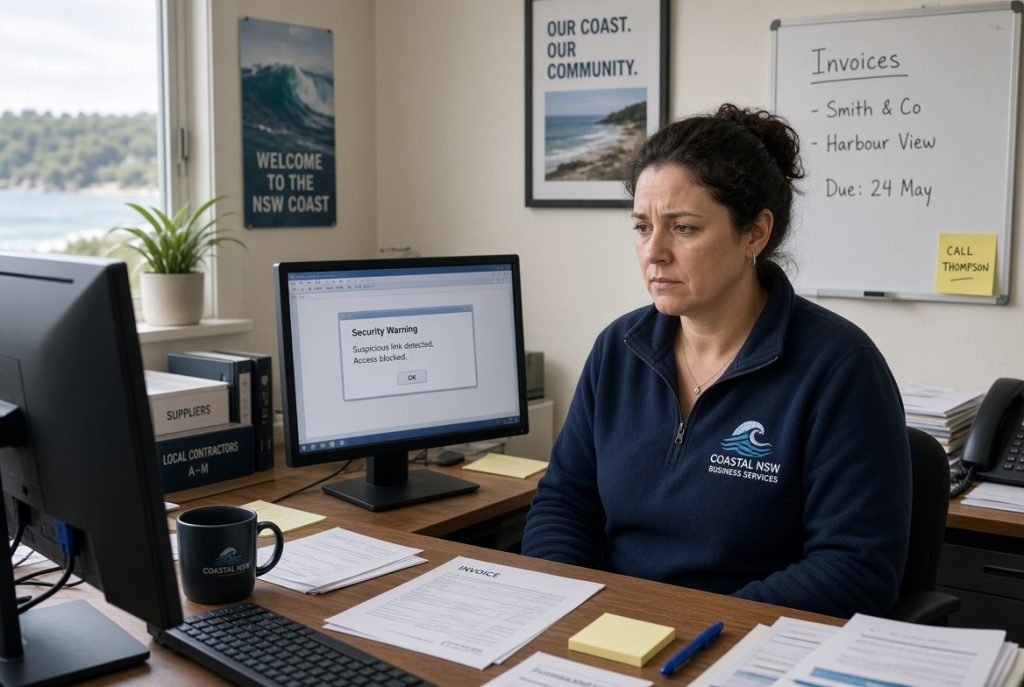
When people treat warnings as background noise, small mistakes grow expensive. A single-clicked link can stop invoices, block customer records or force a full system rebuild. Local firms feel these hits harder because recovery often means lost trading days and strained client confidence. Clear, short conversations reduce that risk without turning every meeting into a lecture.
Plain language for common ideas
These ideas become useful once explained with everyday examples rather than technical lists.
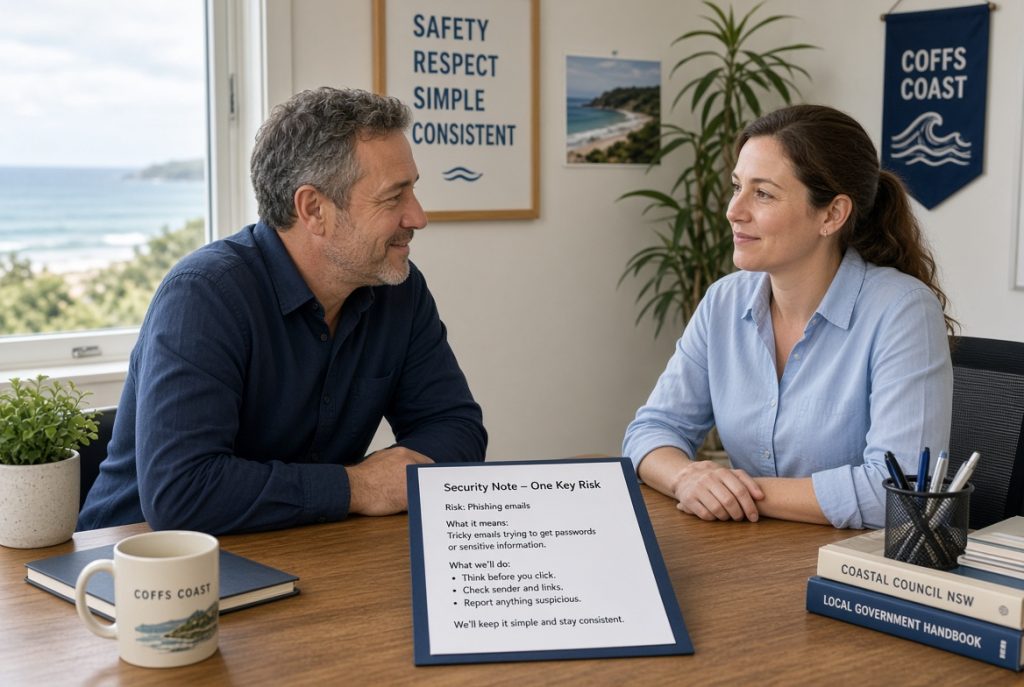
Phishing means a fake message designed to trick someone into giving away details or clicking a harmful link.
Social engineering covers any attempt to manipulate staff into breaking normal rules.
Least privilege simply means giving each person only the access they need for their role.
Approaches that fit different workplaces
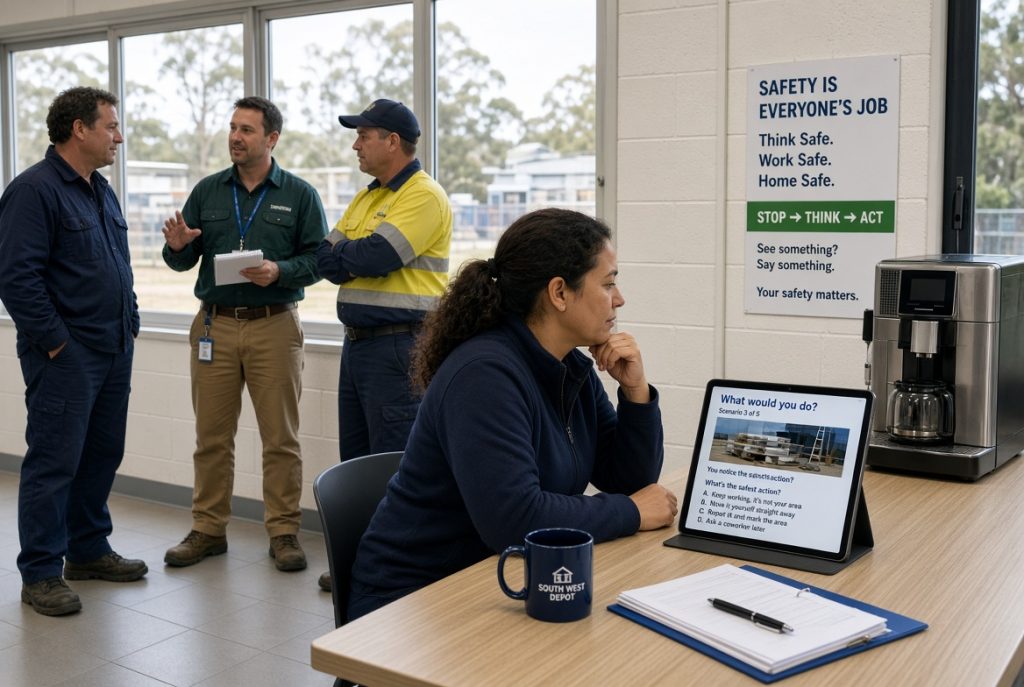
Short stand-up chats of five minutes work better than hour-long sessions. Real stories from similar businesses hold attention longer than theory. Quick quizzes or “what would you do” scenarios turn passive listening into active thinking. Some teams respond to visual posters near the coffee machine. Others prefer a short video shared in the group chat. Match the method to the group size and daily rhythm.
Outcomes for the company
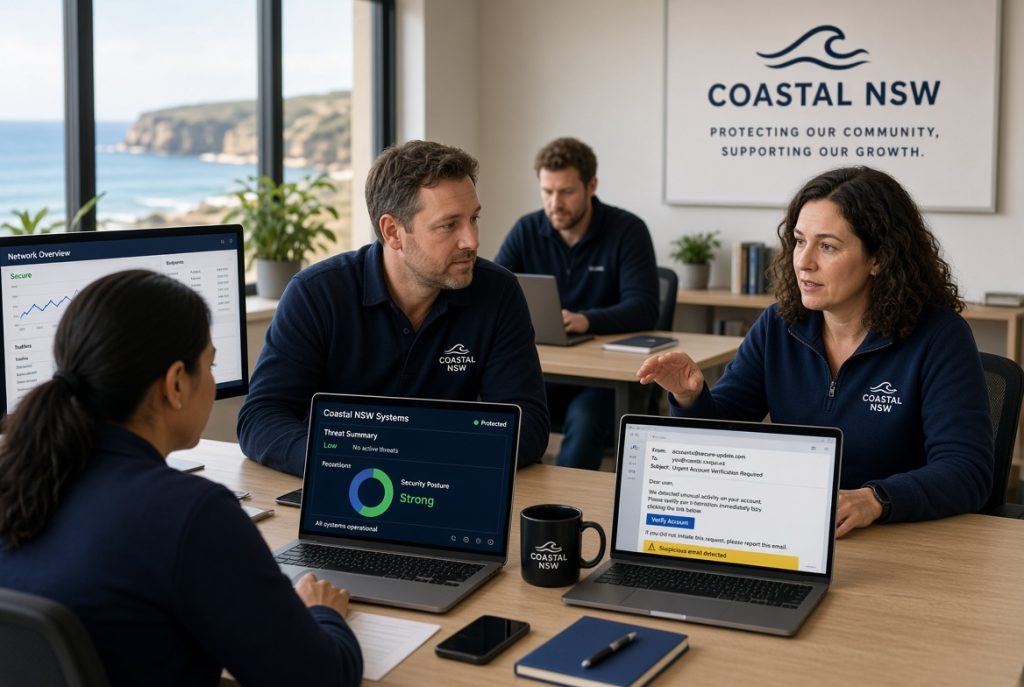
When staff know what to watch for, they become an early warning layer. Problems get reported sooner. Insurance claims run smoother. Clients notice the extra care and stay longer. Decision makers gain confidence that technology supports growth instead of creating hidden liability. The whole workplace moves from reactive firefighting to steady protection.
Assistance available from us
PC Pitstop helps regional businesses turn security talks into habits that last. We supply ready-to-use conversation guides, short training outlines and practical tools that fit busy schedules. Our local team understands the pace of coastal workplaces and avoids jargon that loses people. Whether you need a single session or ongoing support, we keep the focus on clear actions staff can use the same day.
Curious how your current setup holds up under real pressure?
Drop into our store and talk with us about Technology Consulting. We will walk through practical ways to brief your team and strengthen daily habits without long lectures. One short visit gives you clear next steps tailored to the way your business actually runs.