



Shifting from fixing problems after they appear to steady background care is achievable in 90 days. Local operators gain fewer interruptions and more predictable technology costs.
Read more

Technology that responds quickly and stays reliable returns time to every working day. Local operators see clearer gains in output when systems support the work instead of interrupting it.
Read more

Technology now functions like electricity for most operations. Treating it as an essential service rather than an occasional cost brings steadier performance and fewer interruptions for local operators.
Read more

Irregular technology bills disrupt cash flow for smaller operations. Steady arrangements and forward planning turn those costs into figures that can be managed with confidence.
Read more

Clear questions to the firm looking after your systems reveal the true strength of protection and ongoing checks. Local operators gain better control when they know exactly what is covered.
Read more
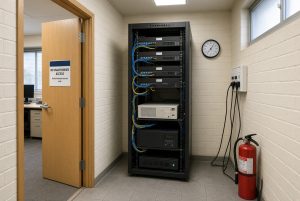
External platforms do not remove the need for sound physical conditions around remaining on-site equipment. Simple attention to power, temperature and access keeps local operators running more reliably.
Read more
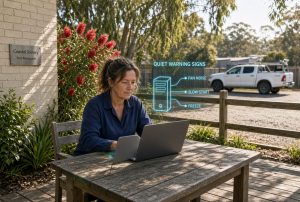
Machines usually send quiet signals before they fail. Recognising slowdowns, odd noises and freezes early helps local enterprises avoid sudden interruptions.
Read more
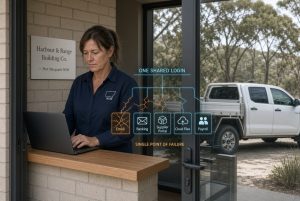
Reusing the same login credential across services creates a single point of failure. Local operators reduce exposure by assigning unique credentials and managing them with simple tools.
Read more

Reused or poorly stored login details create unnecessary risk. A simple organised approach helps local operators protect access without adding heavy daily work.
Read more

Technology guidelines only succeed when they are short, clear and relevant to daily tasks. Local operators achieve better consistency with simple rules people understand and accept.
Read more