How to move from reactive IT to proactive care in 90 days
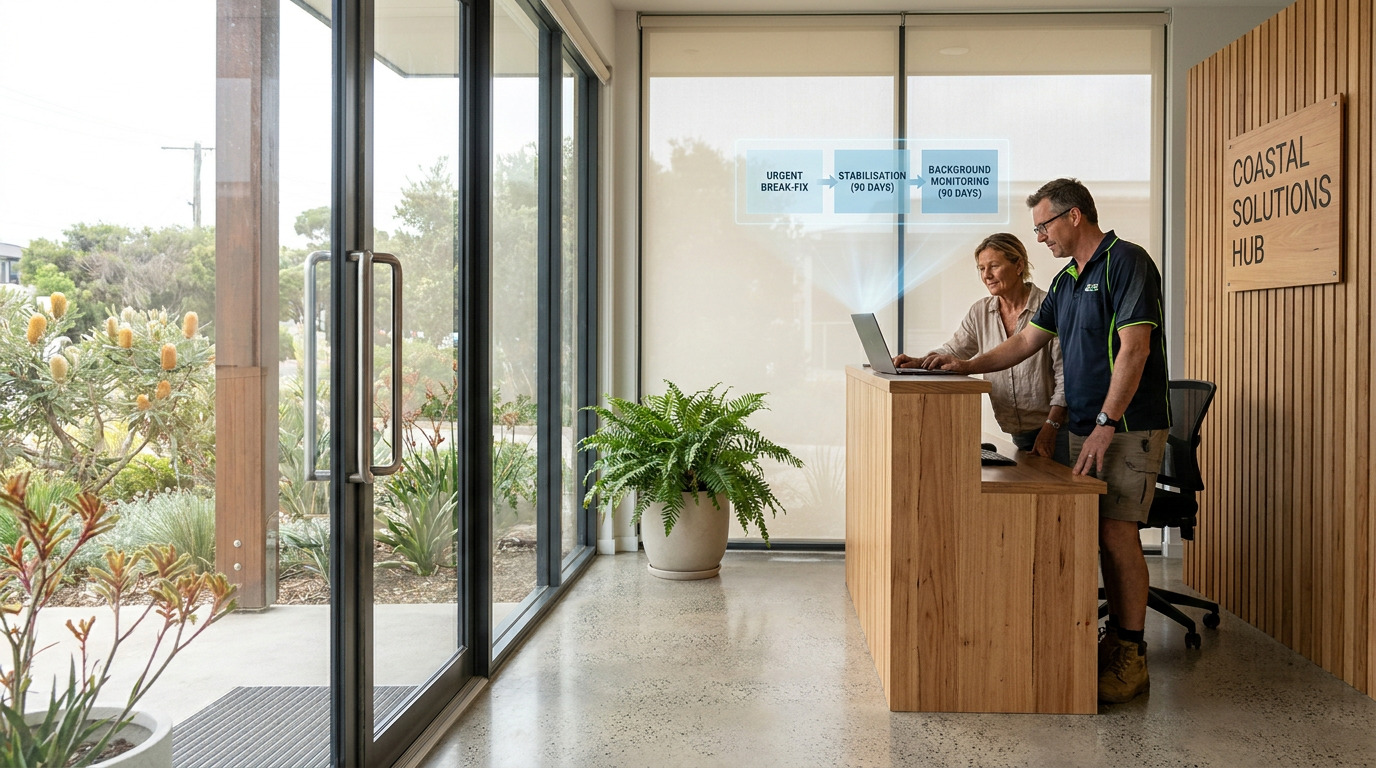
Shifting from fixing problems after they appear to steady background care is achievable in 90 days. Local operators gain fewer interruptions and more predictable technology costs.


100% Australian Owned & Operated

Expert Advice from the pros

Fast Shipping
Shifting from fixing problems after they appear to steady background care is achievable in 90 days. Local operators gain fewer interruptions and more predictable technology costs.

Technology that responds quickly and stays reliable returns time to every working day. Local operators see clearer gains in output when systems support the work instead of interrupting it.

Technology now functions like electricity for most operations. Treating it as an essential service rather than an occasional cost brings steadier performance and fewer interruptions for local operators.
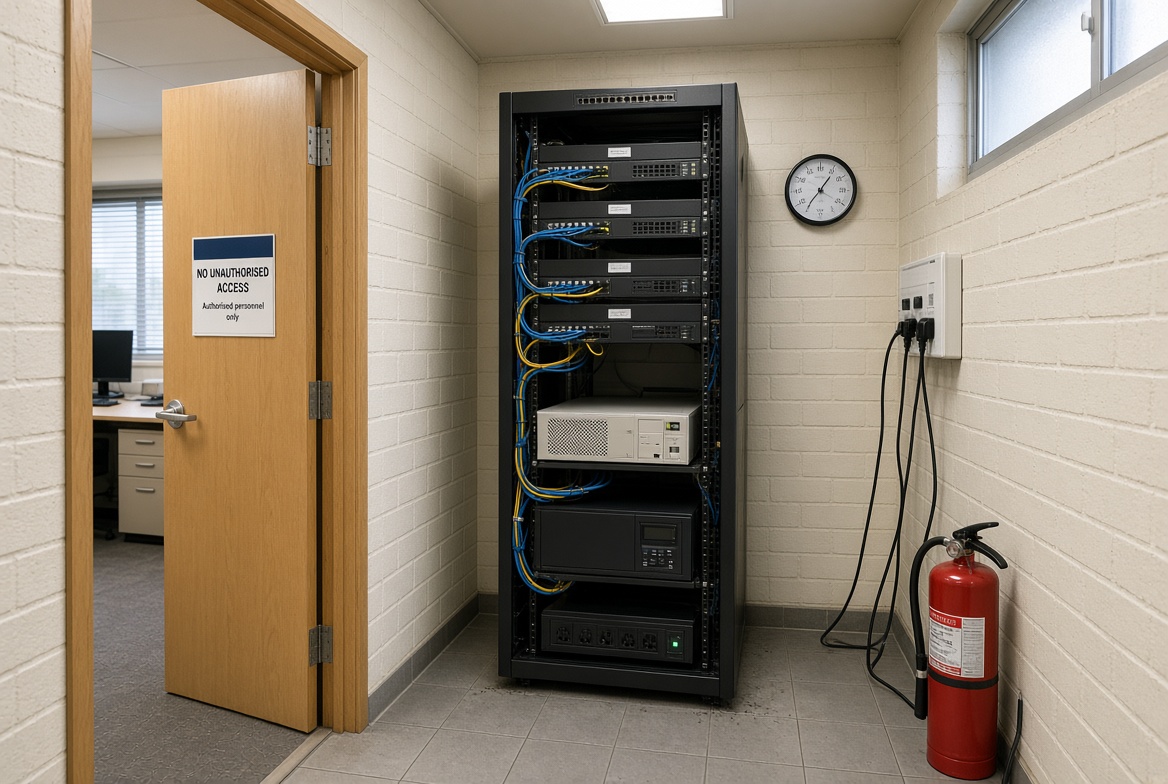
External platforms do not remove the need for sound physical conditions around remaining on-site equipment. Simple attention to power, temperature and access keeps local operators running more reliably.
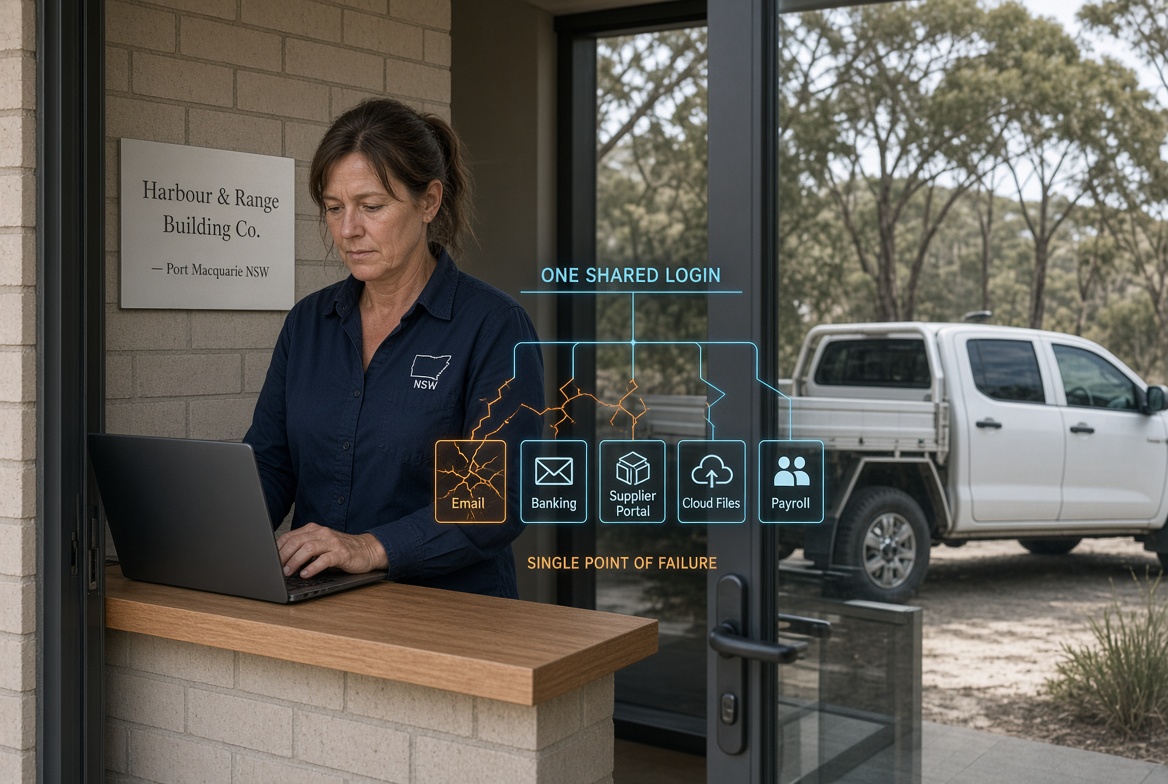
Reusing the same login credential across services creates a single point of failure. Local operators reduce exposure by assigning unique credentials and managing them with simple tools.
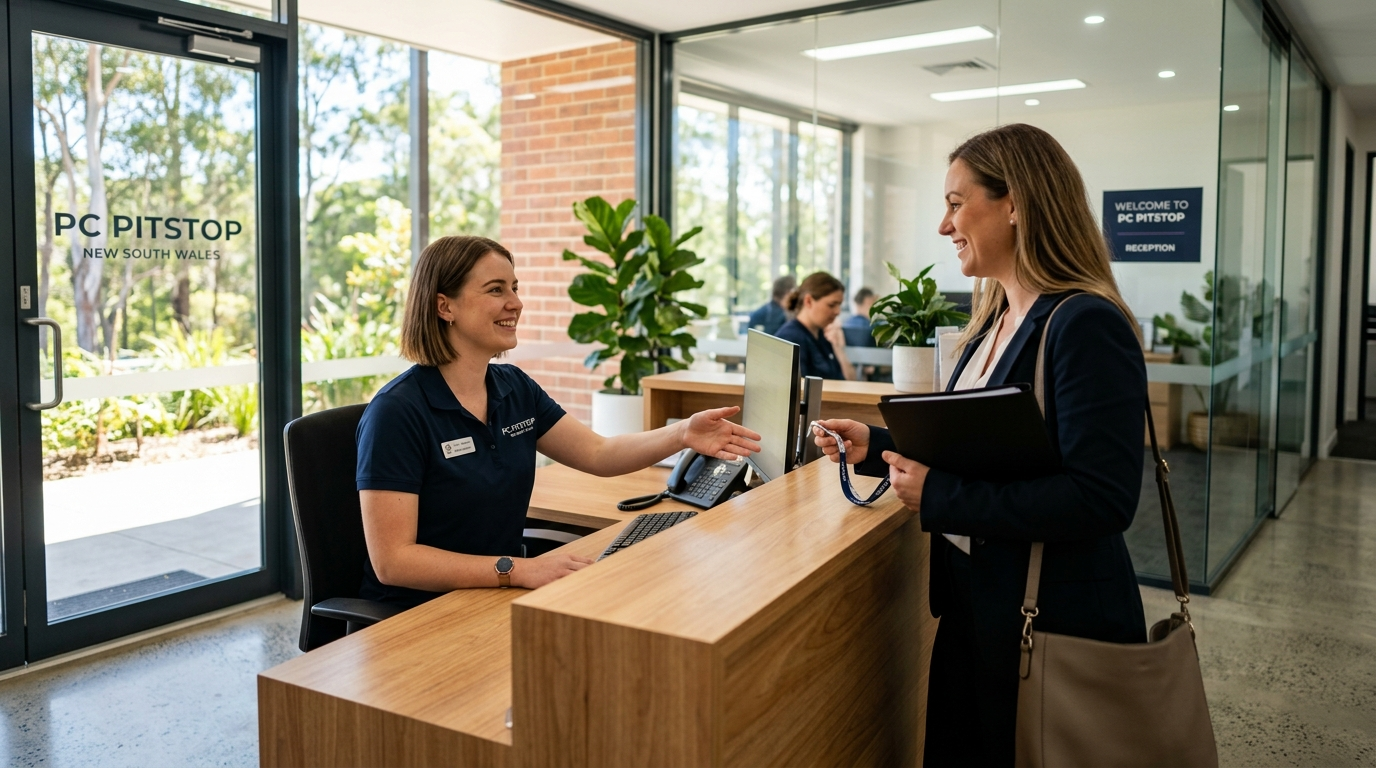
Technology guidelines only succeed when they are short, clear and relevant to daily tasks. Local operators achieve better consistency with simple rules people understand and accept.
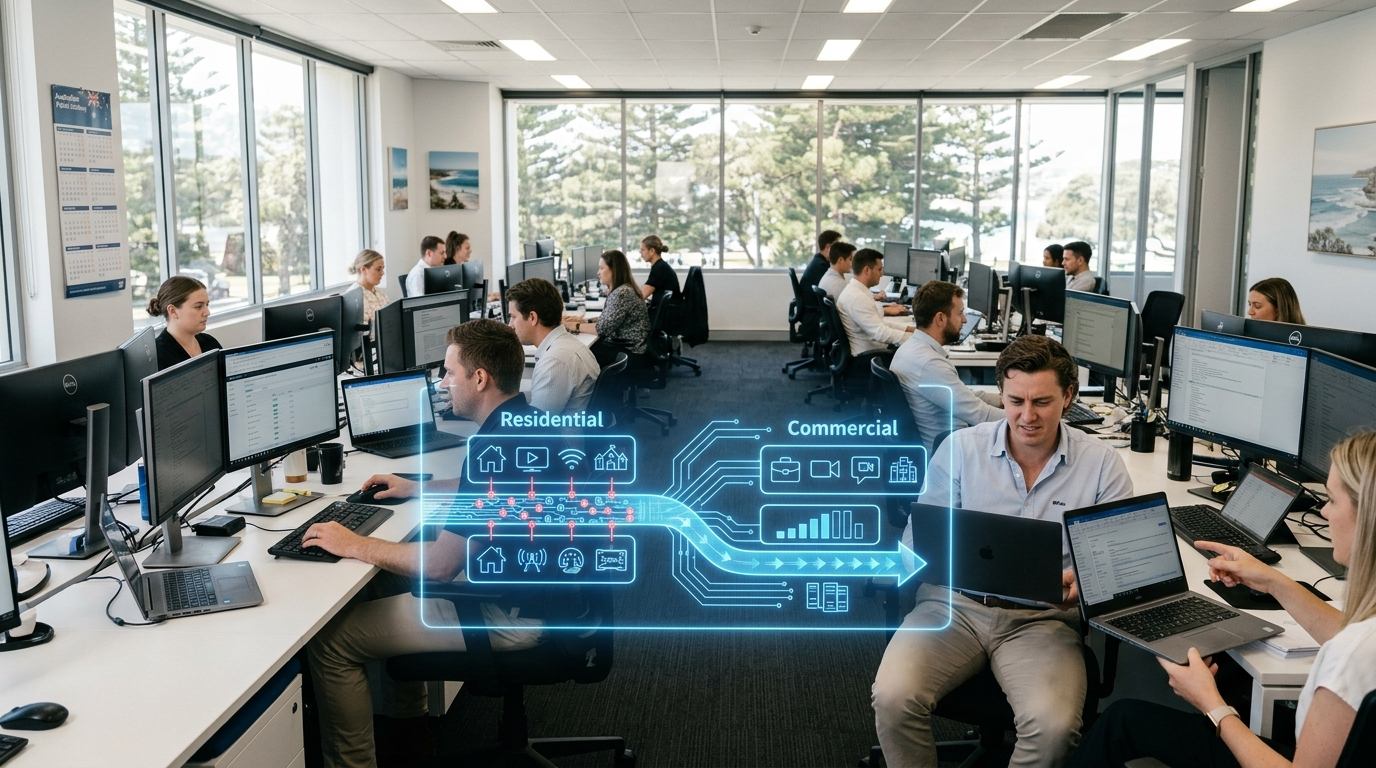
Advertised connection speeds rarely tell the full story for business use. Shared capacity, upload limits and support priorities shape daily performance in ways providers seldom highlight.
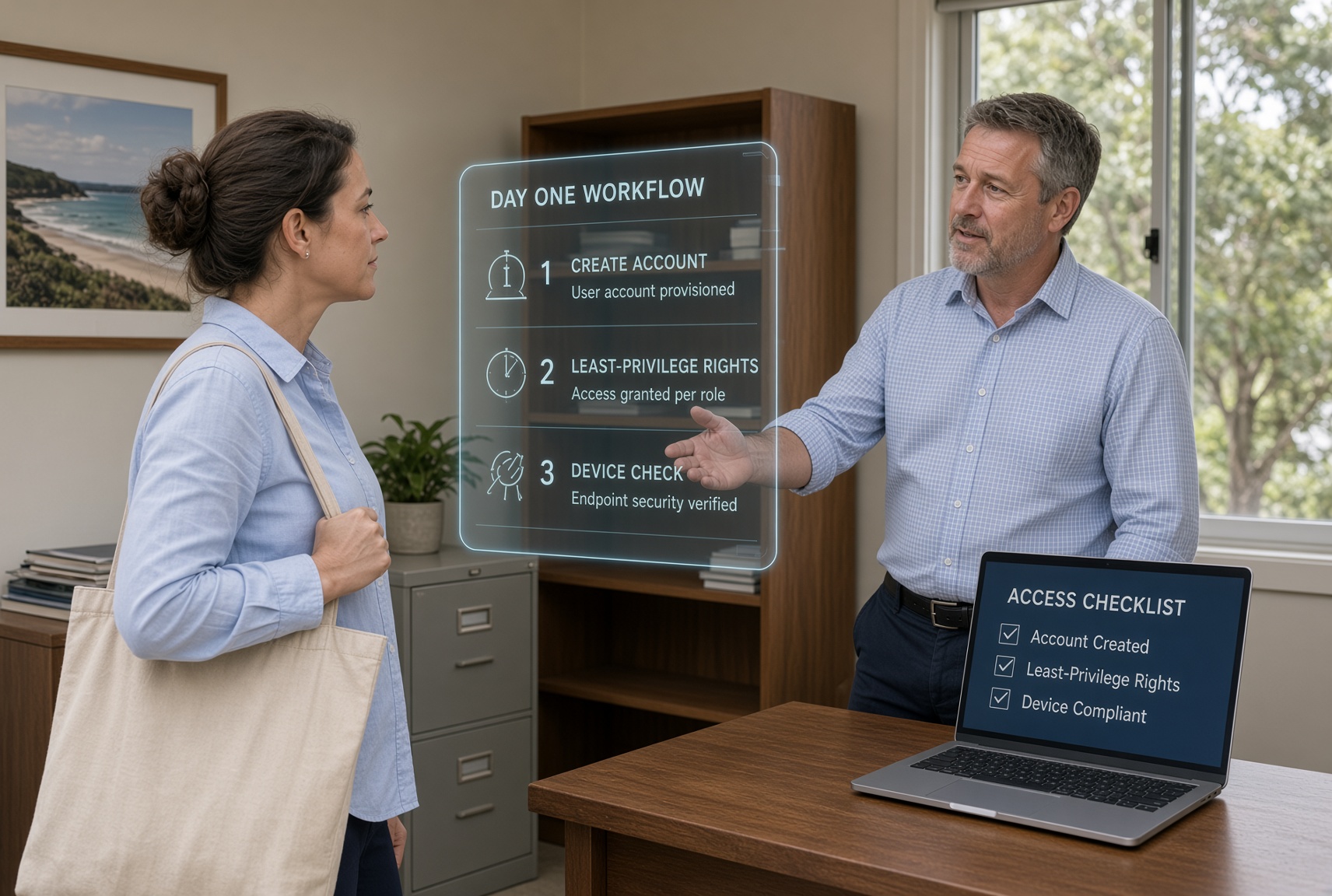
Rushed arrangements for new people often leave lasting openings in system access. A clear process helps local operators keep information controlled while still getting newcomers productive quickly.
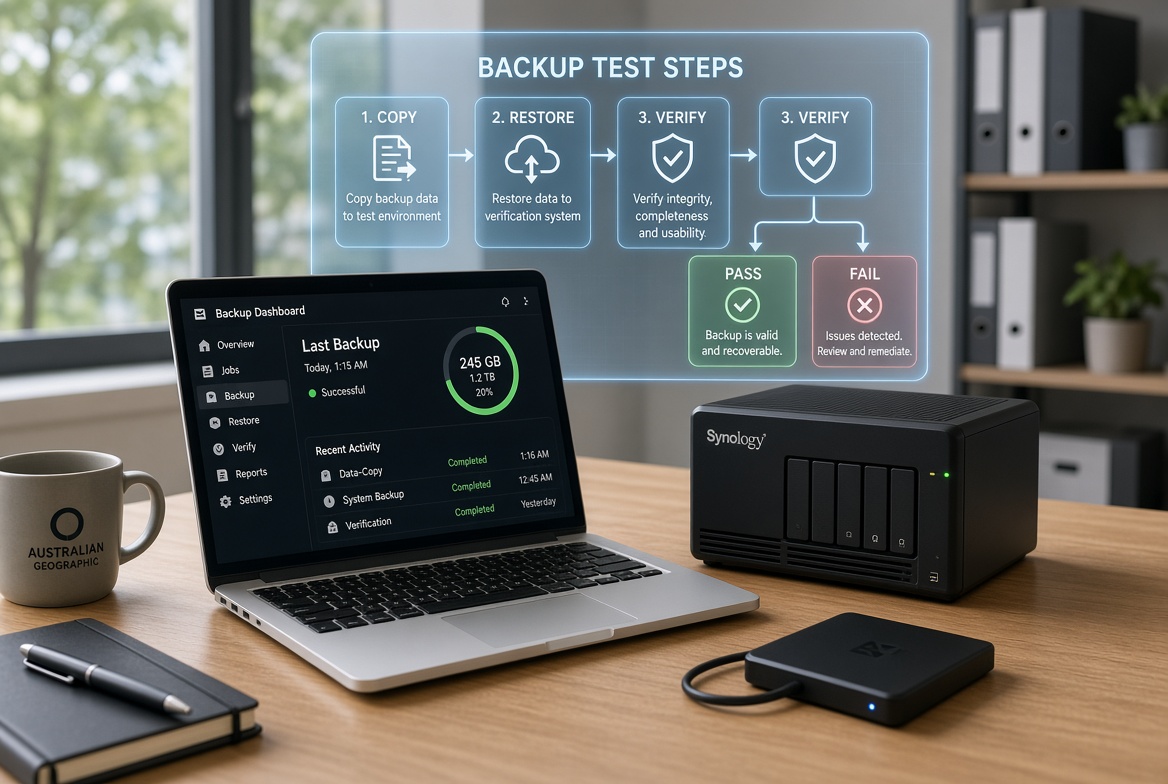
Keeping recovery copies is common. Confirming they actually work is less common yet essential. Local operators reduce downtime and uncertainty when verification becomes routine.
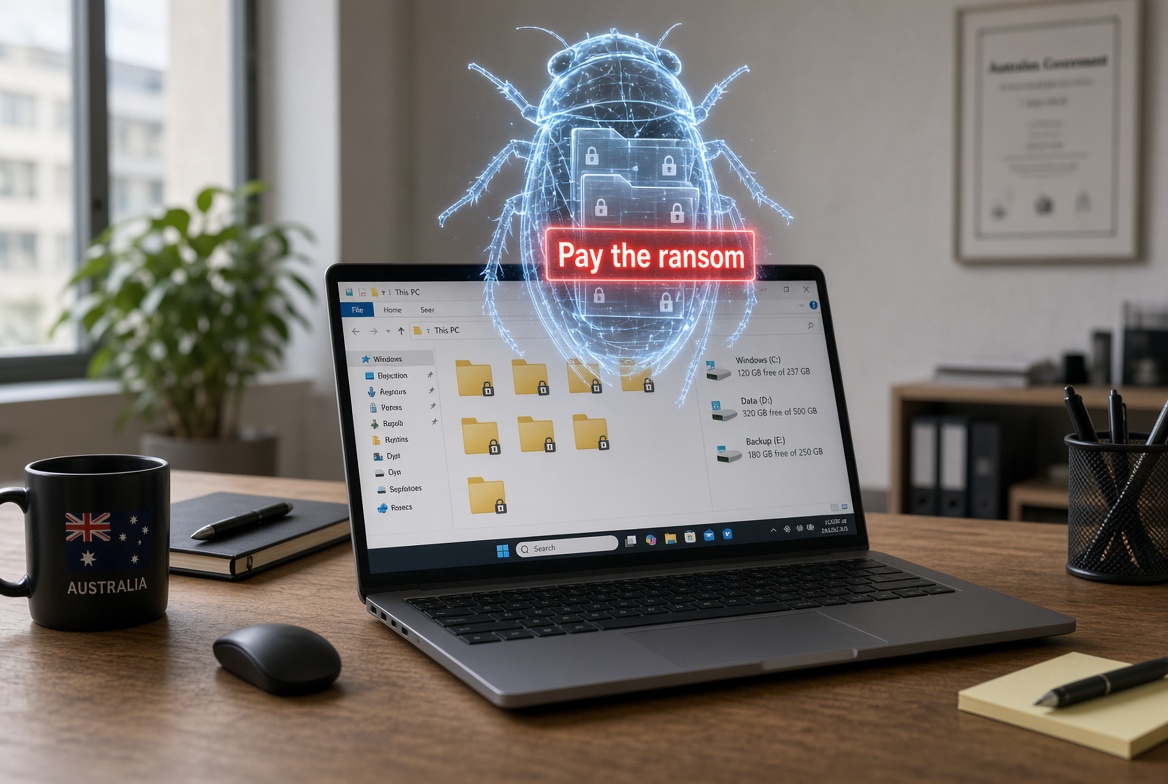
A payment demand after files are locked feels like the only option. Clean, tested copies of important information let local operators restore systems and stay in control.
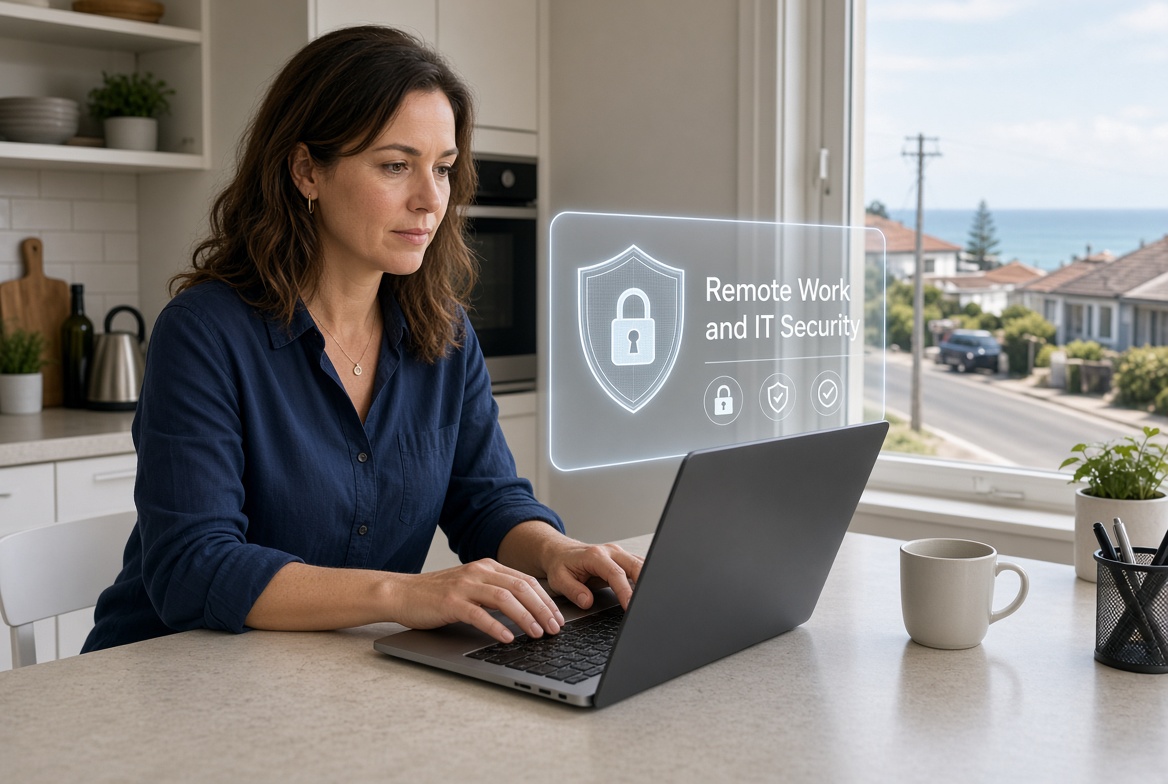
Working away from the main premises changes the risk picture for company systems. Simple checks and habits help local operators keep flexibility without opening unnecessary gaps.