

How to move from reactive IT to proactive care in 90 days

Many smaller operations still wait until something breaks before calling for help. That pattern creates repeated interruptions and unpredictable costs. A planned shift to steady attention changes the experience. Everyday users and decision makers can complete the move in a focused 90-day period. Businesses operating in the mid north coastal region of New South Wales gain calmer days and clearer control when they take this path.
Transitions in technology support patterns
Older habits centre on fixing problems after they appear. Newer approaches watch systems in the background and handle small issues early. The difference shows in fewer urgent calls and more predictable monthly costs. Decision makers who make the switch free time and reduce the stress that comes with sudden faults.

Reasons the change holds value

Waiting for breakdowns often means longer downtime and higher repair bills. Important updates get delayed. Small faults grow into larger ones. A steady plan catches most of these points early. The result is smoother daily work and fewer surprises for everyone involved.
Clear descriptions of central ideas
These ideas become useful once matched to the actual devices and systems already in place.
Reactive support means help arrives only after a problem stops work.
Planned care involves regular checks, updates and early fixes before users notice trouble.
A 90-day transition is a structured period that moves an operation from one approach to the other through clear stages.
Routes that suit different workplaces
Some firms begin with a full health check of current equipment and software. Others introduce background monitoring and automatic updates in the first month. A third stage adds regular reporting, so decision makers see progress. The exact order depends on the number of devices and the most frequent pain points. Starting with the highest-impact items delivers visible results quickly.

Results for the wider operation

Once the shift is complete, interruptions drop. Costs become easier to forecast. Workers spend less time waiting for fixes and more time on productive tasks. Decision makers gain a single clear view of system health instead of a series of urgent surprises. The business runs with greater steadiness.
Help provided by PC Pitstop
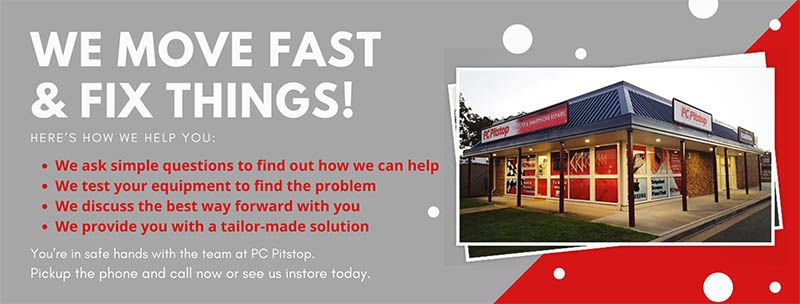
PC Pitstop guides local operators through a practical 90-day move to planned care. We focus on clear steps, plain language and arrangements that fit smaller operations. Support covers the initial review, the staged introduction of checks and the ongoing attention that keeps everything current.


Ready to stop waiting for the next breakdown?
Visit our store and speak with the team about ProactiveCare Managed Care Plans. We will map a clear 90-day path that replaces urgent fixes with steady background care. One discussion gives you a practical plan tailored to the systems you already run.