

The real story behind “we’re too small to be hacked”

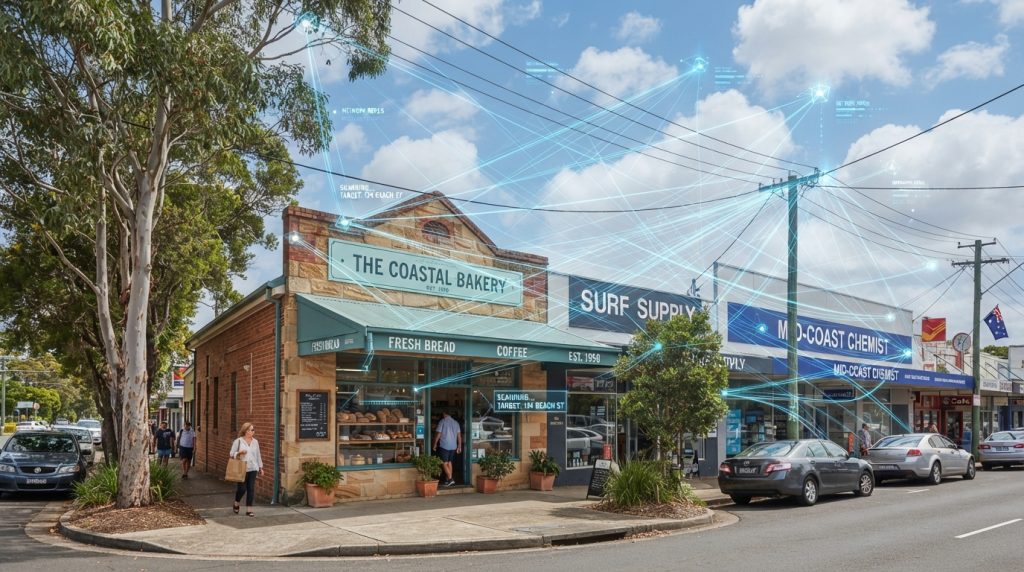
Many owners of modest-sized operations believe size itself offers protection. They assume criminals prefer large targets with bigger prizes. That view is common among everyday users and decision makers. The facts tell a different story. Automated tools scan widely and favour places with lighter defences. Local enterprises along the mid coast of New South Wales face the same automated attention as anyone else.
Changes in targeting patterns
Attack methods have shifted toward volume. Criminals use software that tests thousands of systems at once looking for easy entry points. Smaller firms often run older equipment or skip regular updates. These conditions make them attractive. The goal is not always a large payout. Sometimes the aim is simply to gain a foothold that can be used later or sold on.

Why the belief creates exposure

When people assume they are beneath notice, basic safeguards stay incomplete. Passwords remain weak. Updates get delayed. Unusual activity goes unreported. The longer these gaps remain, the higher the chance of unwanted access. Decision makers then face recovery costs, lost trading time and questions from clients or insurers.
Clear meanings for important ideas
These concepts become useful once matched to the exact records a business already stores.
Unwanted access means someone gains entry to systems or files without permission.
Automated scanning describes the constant testing of internet-facing systems by external parties.
Entry points are any weak spots such as outdated software, reused passwords or open remote connections.
Suitable paths for different operations
Some firms begin with a simple review of current passwords and update status. Others add basic monitoring that flags unusual login attempts. A few introduce dual checks for sensitive actions. The useful path depends on the number of devices and the type of information held. Starting with the most obvious gaps delivers the quickest reduction in exposure.
Consequences for the organisation
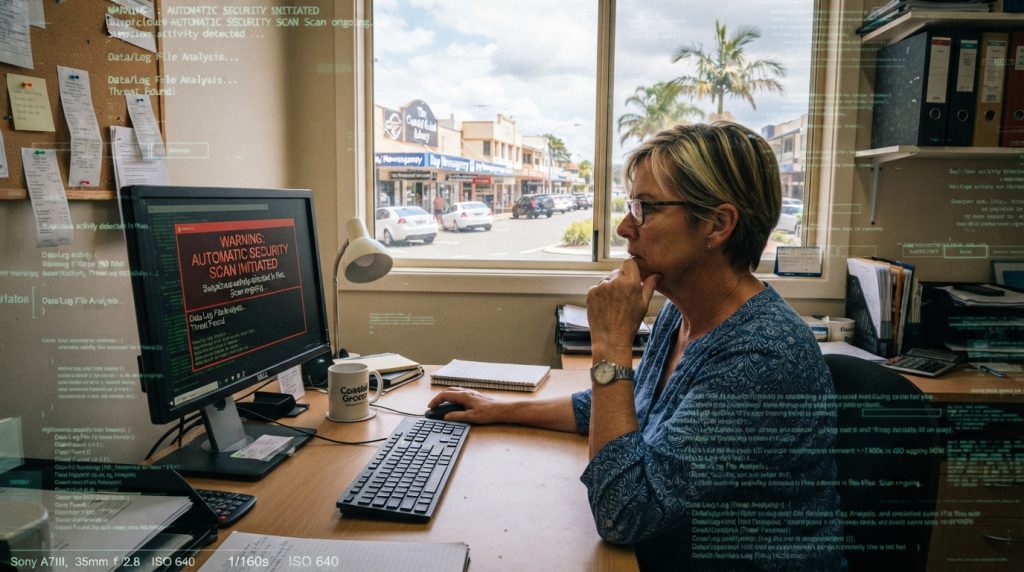
A successful intrusion can halt daily work, expose client details or lock important files. Recovery takes time and money that smaller operations feel keenly. Client confidence can drop. Insurers may raise questions about preparation. Steady attention to basic protections keeps these outcomes less likely and preserves normal trading rhythm.
Support PC Pitstop provides
PC Pitstop works with local enterprises to close the most common gaps. We focus on clear explanations and practical steps that fit the pace of smaller operations. Help covers both immediate improvements and ongoing arrangements that keep systems current without heavy extra work.
Still relying on size for protection?
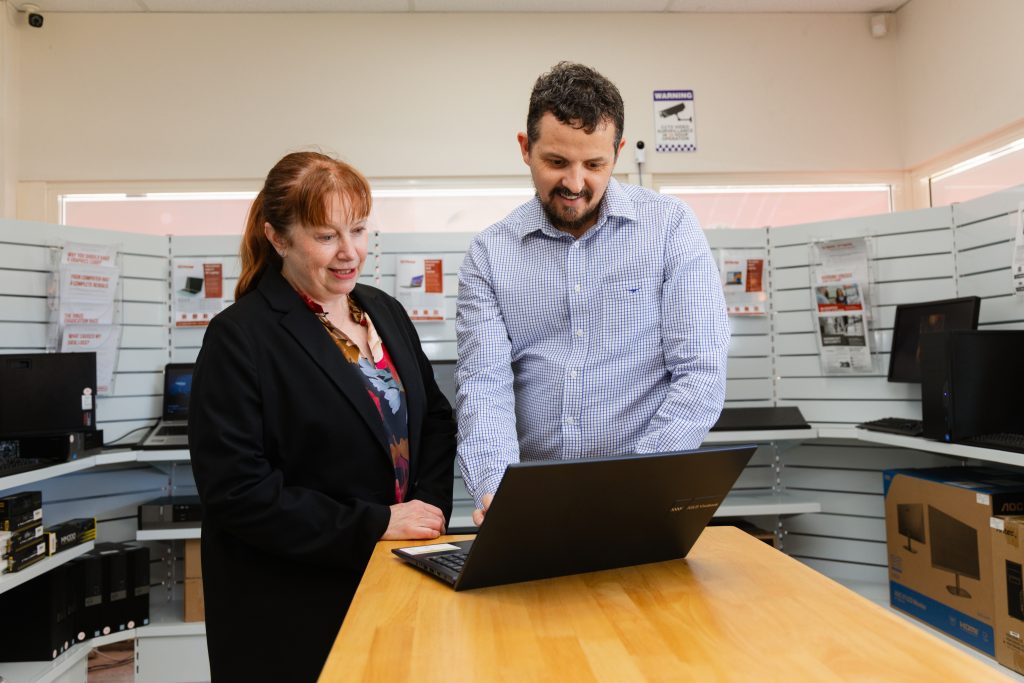
Drop into our store and talk with us about Cybersecurity & Essential Eight. We will walk through the common entry points that affect smaller operations and show straightforward ways to close them. One visit gives you a clear, practical picture of the protection available.